How Croquet Can Speak to the Competitive Player
Most clubs try to attract competitive players by using competitive words. "Strategy." "Tactics." "Challenge." This is advertising thinking. Find the magic words, put them on a poster, wait for the right people to show up.
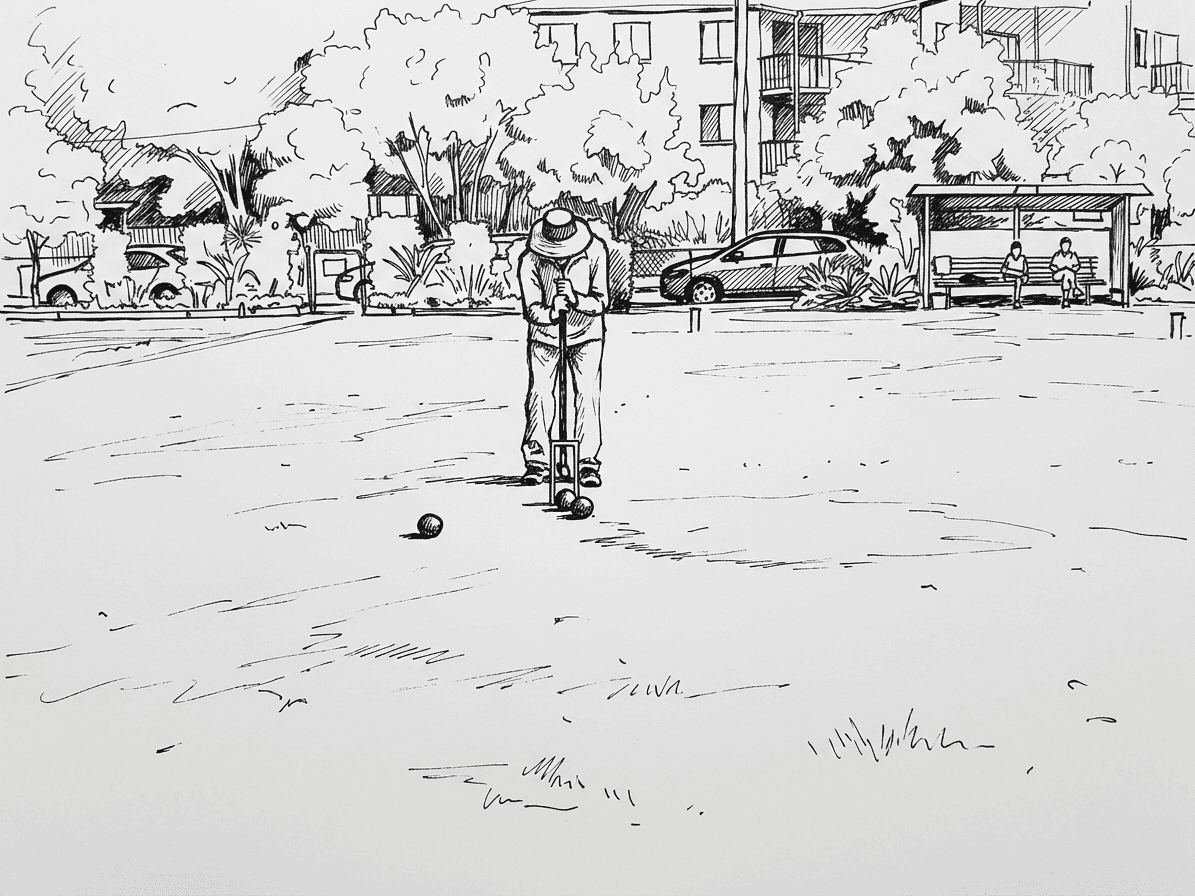
The Mistake Clubs Make
Most clubs try to attract competitive players by using competitive words. "Strategy." "Tactics." "Challenge."
This is advertising thinking. Find the magic words, put them on a poster, wait for the right people to show up.
It doesn't work. Words don't change worldviews. The person who needs to be good at something isn't scanning for trigger words. They're scanning for evidence that people like them are already here.
What They're Actually Looking For
When a competitive person considers croquet, they're asking three questions:
- Can I get good at this?
- Will my effort be rewarded?
- Are there people here who take it seriously?
Notice what's missing: "Will it be fun?"
Fun is a side effect for these people. Achievement is the enjoyment in itself.
Your job is to show them that people who care about getting good at things play croquet here. And that when they show up, they'll find others who understand.
Status and Achievement
Competitive people care about progress. They want to see where they stand, how far they've come, and what's next. Handicap systems, rankings, and tournament results provide that structure.
Showing, Not Telling
The images you use matter more than the words.
Group shots of people laughing over tea? That's a signal. It says "this is a social club." Which is fine, if that's who you're looking for.
But if you want to attract someone who needs to be good at something, show them:
- A player focused on a shot
- The geometry of a well-set break
- Mallets lined up with care
- Someone studying the lawn
These images say "people take this seriously here." That's the signal competitive players are looking for.
When They Walk In
The first visit matters. A competitive person who walks in and sees disorganisation, casual indifference, or poor-quality lawns will leave and not come back. They need to see that your club respects the game.
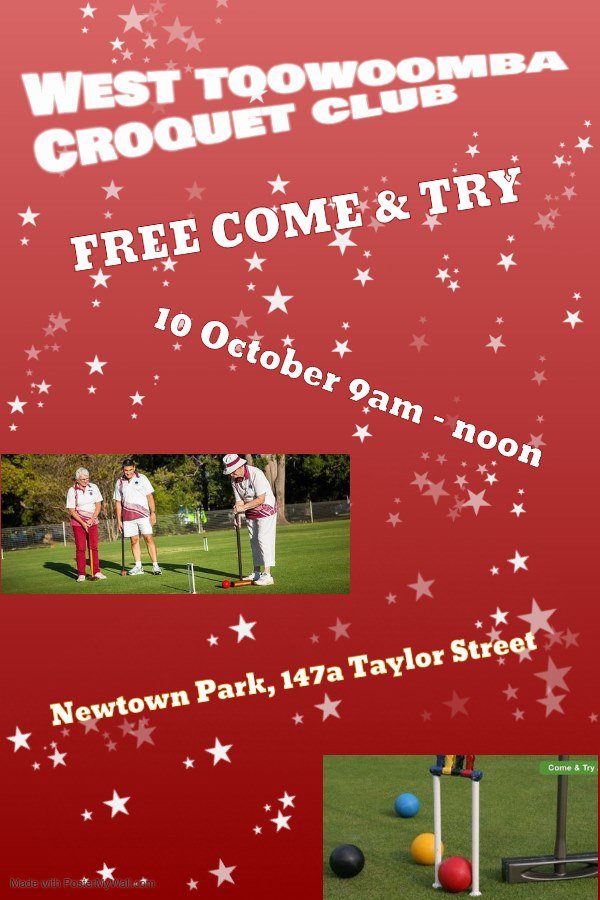
The Invitation
You're not trying to convince competitive people that croquet is strategic. They'll figure that out.
You're trying to show them that your club is a place where getting good at something matters. Where effort is respected. Where someone who wants to improve will find others on the same path.
The question for your club: Is that what you're actually showing them?
Share What Works
What's helped your club attract players who want to achieve? Share your approach at Club Hub.
Know someone who might be looking for something to master? Send them to comeandtrycroquet.com.
The Water Conversation Clubs Need to Have ASAP
CAQ opens the water conversation with QLD clubs ahead of the forecast dry El Niño winter-spring 2026. Three questions clubs need to answer, real figures on tanks, bores, and scheduling.
Inaugural Golf Croquet Doubles Gala Day — East Brisbane, 9 May 2026
East Brisbane Croquet Club hosts its Inaugural Golf Croquet Doubles Gala Day on Saturday 9 May. Individual entry, $25, only 24 spots. $300 prize pool.
Holistic Health Benefits of croquet
A strategic advocacy paper prepared by the Croquet Association of Queensland