Could Croquet Halve Your Dementia Risk?
You've probably heard that walking is good for your brain. Recent research puts numbers to it. A typical game of croquet involves walking the lawn for two to three hours. Players regularly hit 5,000 to 7,000 steps without noticing. The exercise happe
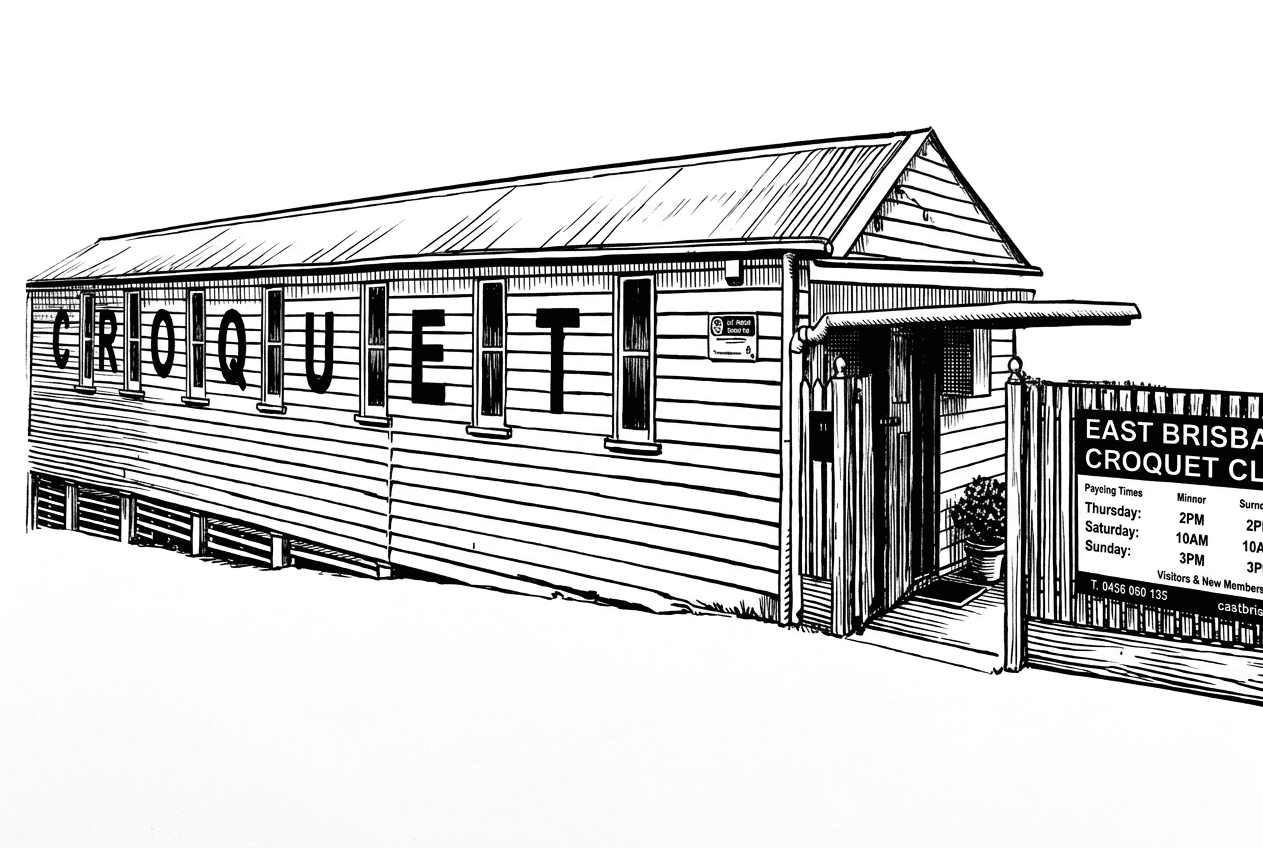
You’ve probably heard that walking is good for your brain. Recent research puts numbers to it.
A 2022 study in JAMA Neurology tracked 78,430 UK adults over nearly seven years. The finding:
“9,826 steps per day was associated with 51% lower risk of dementia. Even 6,000 steps showed significant benefit.”
That’s a substantial difference from walking more.
How croquet fits in
A typical game of croquet involves walking the lawn for two to three hours. Players regularly hit 5,000 to 7,000 steps without noticing. The exercise happens while you’re focused on the game.
But the walking is only part of it.
Your brain stays busy
Croquet requires planning. You’re thinking several shots ahead, calculating angles, watching what your opponent is doing. A 2002 study in JAMA found that people who regularly played strategic games had “47% lower risk of Alzheimer’s disease.” The mental work matters.
You’re doing it with others
A 2024 meta-analysis in Nature Human Behaviour found that loneliness increases dementia risk by 31%. Social isolation showed similar effects. Croquet is played in clubs, with conversation between shots, morning tea afterwards, people who notice when you’re not there.
Walking, thinking, talking
Most advice on healthy ageing covers physical activity, mental engagement, and social connection as separate items.
Croquet rolls them into a single afternoon. You play a game you enjoy, and the benefits come along for free.
If you’re looking for something that keeps your body moving and your mind working, croquet might be worth a look.
Find your nearest club at comeandtrycroquet.com →
Sources
- Steps and dementia: Del Pozo Cruz et al., JAMA Neurology (2022) — doi:10.1001/jamaneurol.2022.2672
- Loneliness and dementia: Luchetti et al., Nature Human Behaviour (2024) — doi:10.1038/s44220-024-00328-9
- Strategic games and Alzheimer’s: Wilson et al., JAMA (2002) — doi:10.1001/jama.287.6.742
Frequently Asked Questions
Does croquet actually reduce dementia risk?
Croquet bundles three things the research links to lower dementia risk: walking, strategic thinking, and social contact. A 2022 JAMA Neurology study of 78,430 adults found 9,826 steps a day was associated with a 51% lower dementia risk, and a typical croquet game racks up 5,000 to 7,000 steps over two to three hours. The game does on one afternoon what most health advice tells you to schedule separately.
How many steps do you take playing a game of croquet?
A typical game runs two to three hours and players regularly hit 5,000 to 7,000 steps without noticing. The walking happens while you're focused on the next shot, which is why people who find treadmills tedious tend to stick with croquet.
What does research say about strategic games and Alzheimer's?
A 2002 JAMA study found people who regularly played strategic games had a 47% lower risk of Alzheimer's disease. Croquet demands exactly that kind of thinking: planning several shots ahead, calculating angles, and reading your opponent's intentions.
How does social contact protect the brain?
A 2024 meta-analysis in Nature Human Behaviour found loneliness raises dementia risk by 31%, with social isolation showing similar effects. Croquet is played in clubs with conversation between shots, morning tea afterwards, and people who notice when you're not there. The social layer is built into the sport.
The Water Conversation Clubs Need to Have ASAP
CAQ opens the water conversation with QLD clubs ahead of the forecast dry El Niño winter-spring 2026. Three questions clubs need to answer, real figures on tanks, bores, and scheduling.
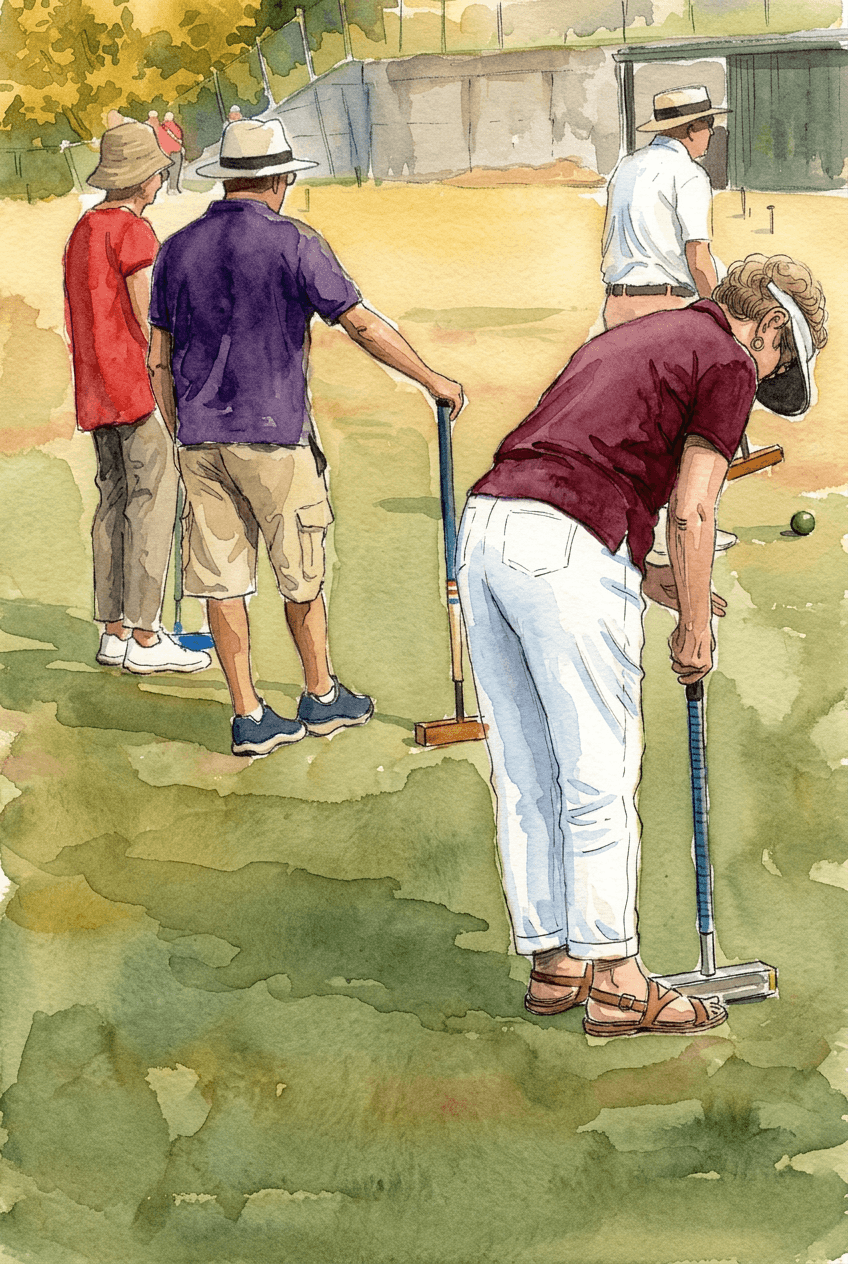
Inaugural Golf Croquet Doubles Gala Day — East Brisbane, 9 May 2026
East Brisbane Croquet Club hosts its Inaugural Golf Croquet Doubles Gala Day on Saturday 9 May. Individual entry, $25, only 24 spots. $300 prize pool.
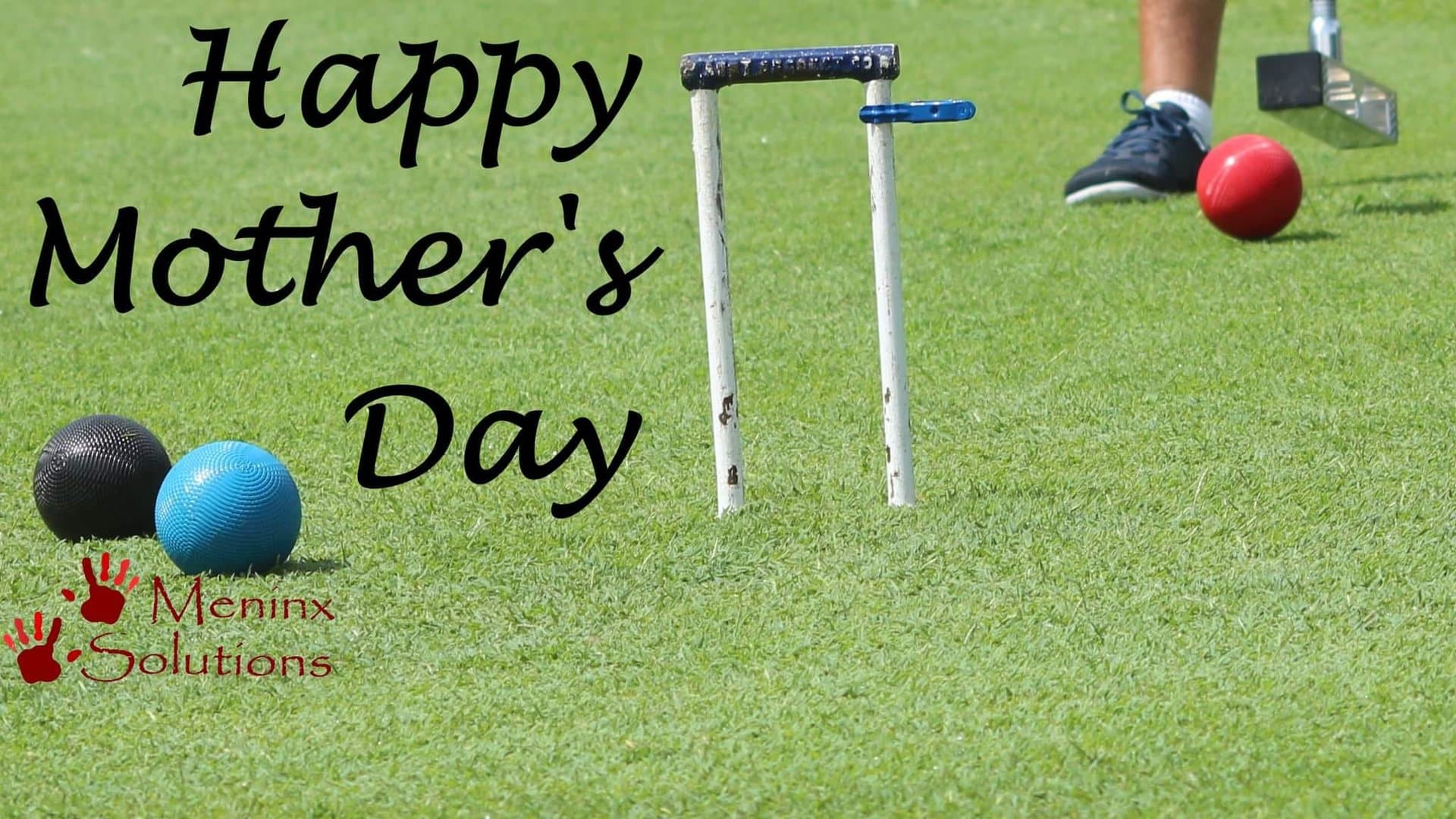
Holistic Health Benefits of croquet
A strategic advocacy paper prepared by the Croquet Association of Queensland