One in Three Over 65 Will Fall This Year. Croquet will reduce your chances.
A major international study published in The Lancet Public Health reviewed dozens of studies and found a direct link between daily movement and fall risk.
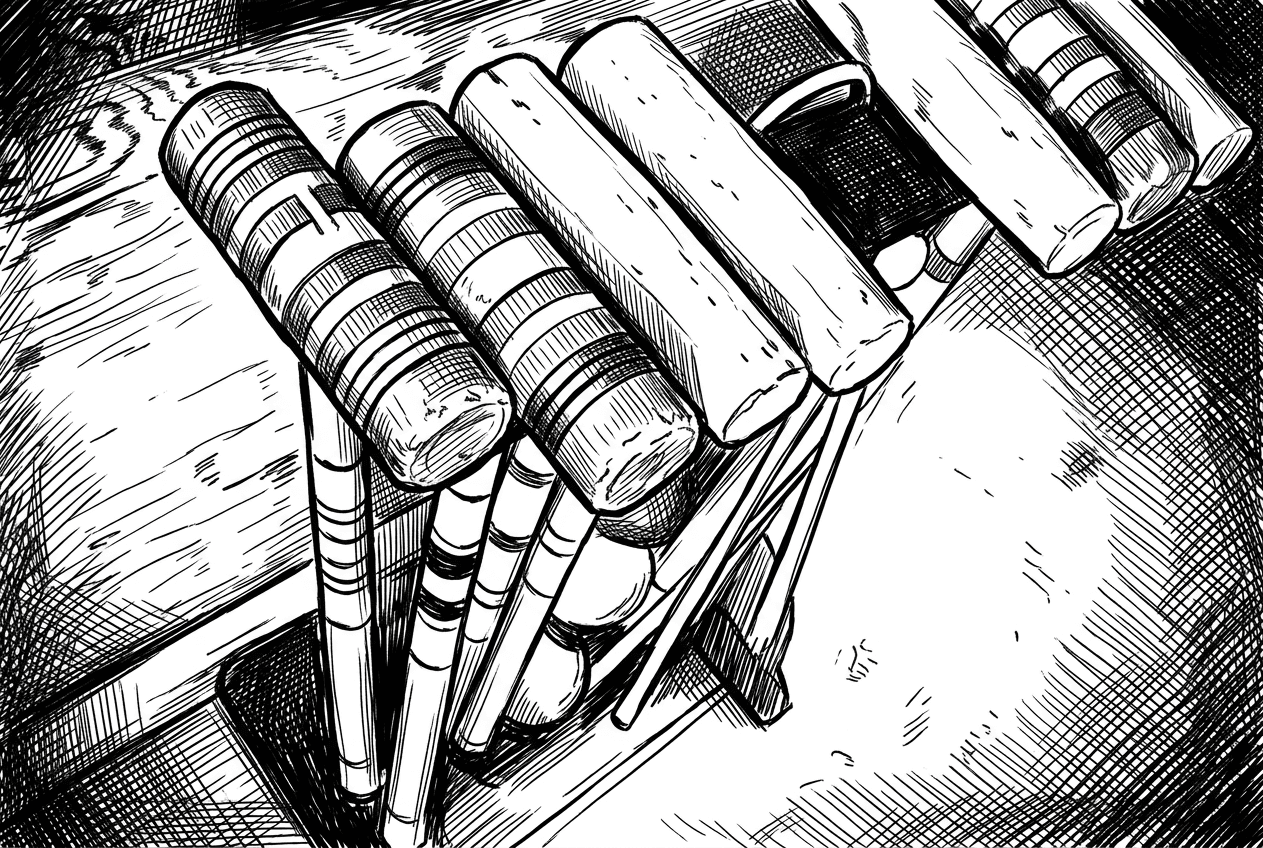
What the Research Shows
A major international study published in The Lancet Public Health reviewed dozens of studies and found a direct link between daily movement and fall risk.
"Compared with 2000 steps per day, 7000 steps per day was associated with a 28% lower risk of falls."
Walking helps. But group-based balance programs reduce fall risk by 40 to 64 percent. That's not a small improvement. That's the difference between staying on your feet and ending up in a hospital bed.
Why Croquet Works
Croquet covers what fall prevention research points to:
- Uneven surface: A lawn isn't a footpath. Every step requires small adjustments. Your ankles, legs and core are constantly working to keep you stable.
- Bending and reaching: Placing your ball, picking it up, crouching to check a line. These movements build the strength you need to recover when you stumble.
- Low impact: No jarring. No sudden twisting. No running. Your joints aren't punished for showing up.
- Regular commitment: A Tuesday afternoon game, every week, all year. That consistency matters more than occasional intense exercise.
Most people who start croquet aren't thinking about fall prevention. They're thinking about having something to do, meeting people, getting outside. The balance training happens without you noticing.
The Numbers
One in three Australians over 65 falls every year. Falls cause 77 percent of all injury-related hospital admissions for older people. The average hospital stay is nearly ten days.
Those aren't just statistics. That's your neighbour waiting months for a hip replacement. That's your friend who never quite got back to normal.
The Queensland population over 65 is growing at 3.7 percent annually. Falls cost the Australian health system close to five billion dollars a year. That cost is going up.
Your Balance Is Worth Protecting
If you've noticed you're a bit less steady than you used to be, or you're worried about what might happen if you trip, croquet might be worth a look.
It's an afternoon on a lawn with people who'll remember your name. The balance training is just what happens while you're there.
Frequently Asked Questions
Can croquet really help prevent falls in older adults?
Yes, and the mechanism is well understood. Group-based balance programmes reduce fall risk by 40 to 64 percent, and croquet delivers exactly the right kind of movement: walking on uneven grass, bending, reaching, controlled weight shifts over two to three hours. The balance training happens while you're focused on the game.
What did The Lancet study say about walking and falls?
A 2025 review in The Lancet Public Health found that 7,000 steps a day was associated with a 28% lower risk of falls, compared with 2,000 steps. Walking helps, but group-based balance work is stronger again. Croquet provides both in one session.
How common are falls among older Australians?
One in three Australians over 65 falls every year. Falls cause 77% of all injury-related hospital admissions for older people, with an average hospital stay of nearly ten days. Falls cost the Australian health system close to five billion dollars a year.
Why does an uneven lawn help your balance?
A lawn isn't a flat footpath. Every step demands small adjustments from your ankles, legs and core, so the muscles that keep you upright are constantly working. That's the same principle behind clinical balance training programmes, only you're getting it while playing a game you enjoy.
The Water Conversation Clubs Need to Have ASAP
CAQ opens the water conversation with QLD clubs ahead of the forecast dry El Niño winter-spring 2026. Three questions clubs need to answer, real figures on tanks, bores, and scheduling.
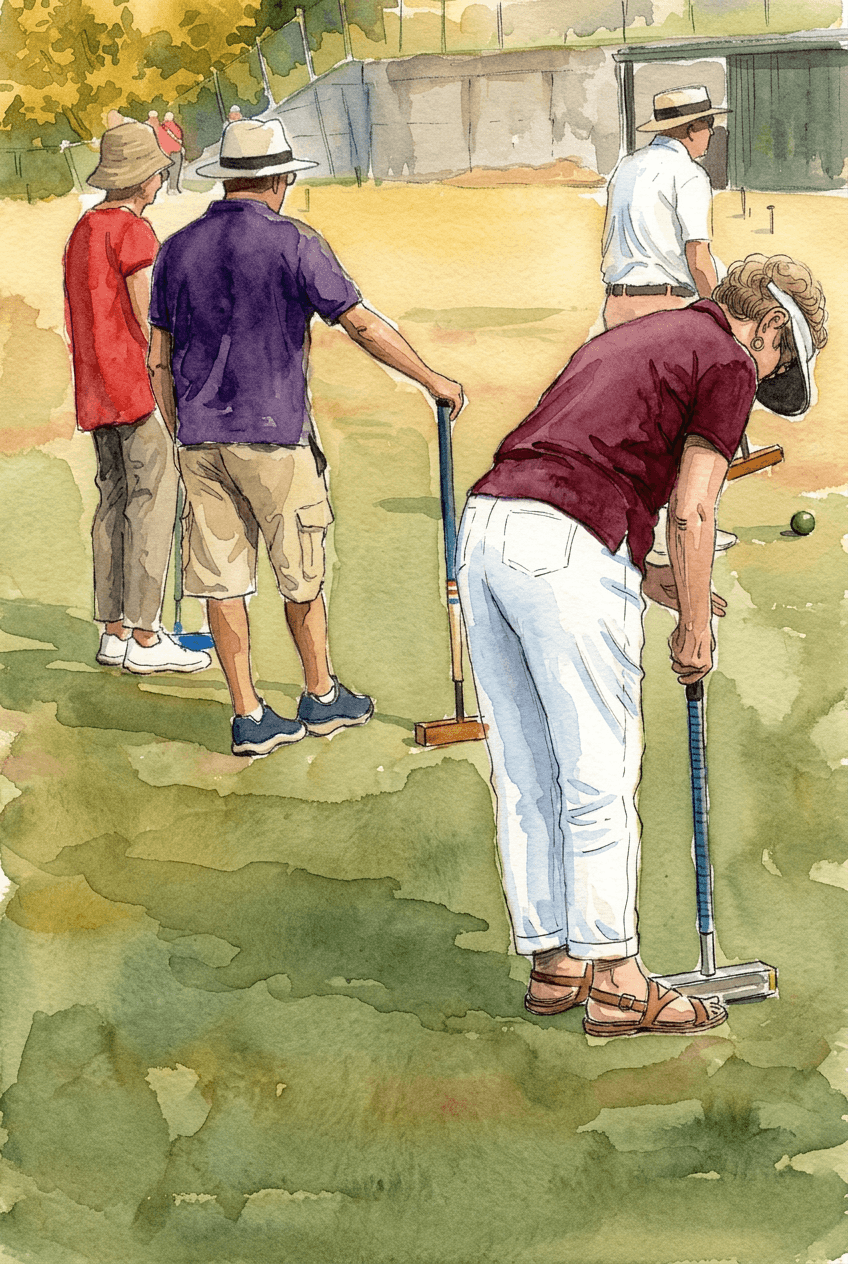
Inaugural Golf Croquet Doubles Gala Day — East Brisbane, 9 May 2026
East Brisbane Croquet Club hosts its Inaugural Golf Croquet Doubles Gala Day on Saturday 9 May. Individual entry, $25, only 24 spots. $300 prize pool.
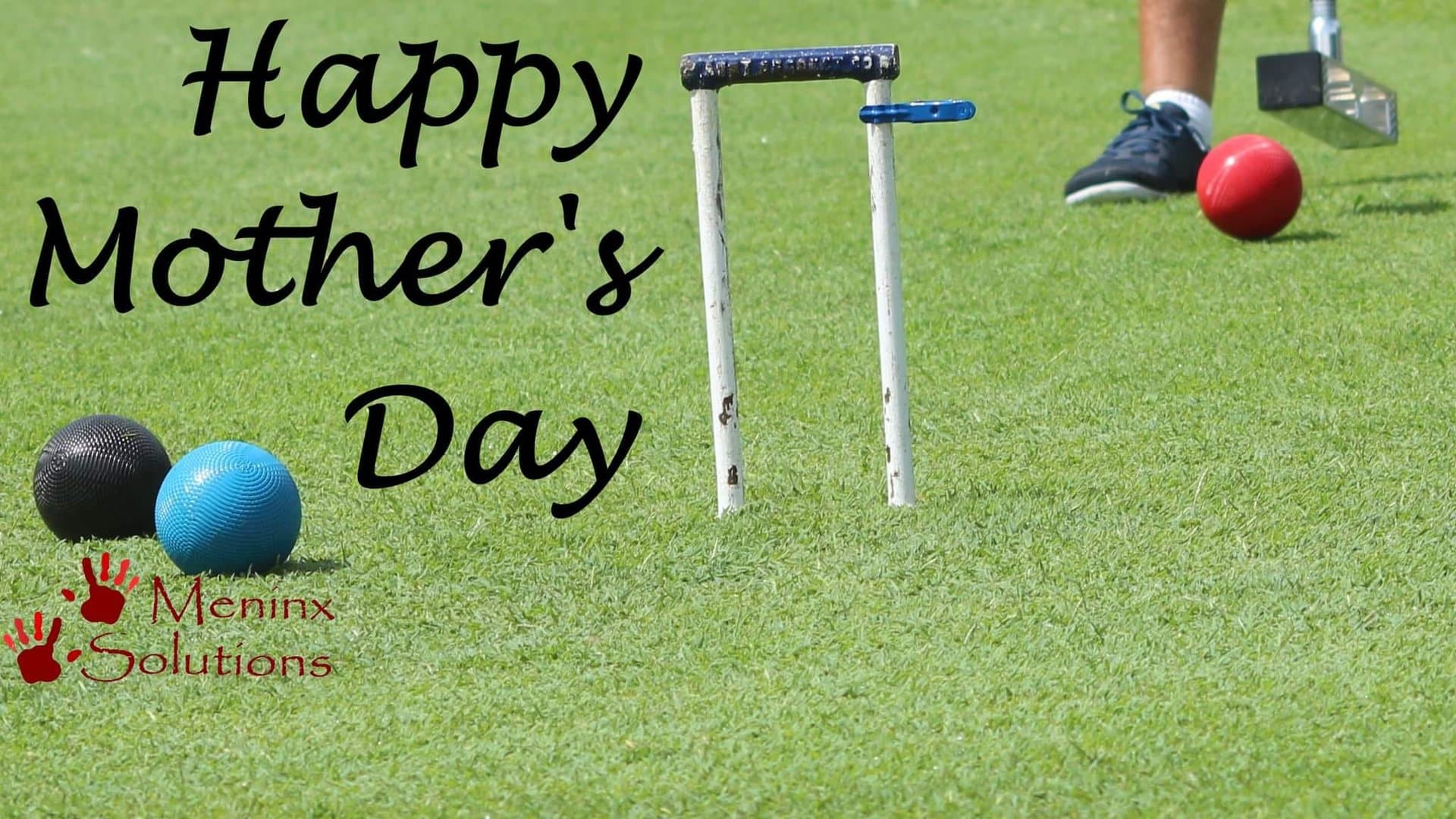
Holistic Health Benefits of croquet
A strategic advocacy paper prepared by the Croquet Association of Queensland