Be Classy: The Unwritten Rules of Croquet Etiquette
Croquet has a code. It's unwritten, but everyone's expected to know it. These courtesies keep the game enjoyable for everyone. Here's what to know.
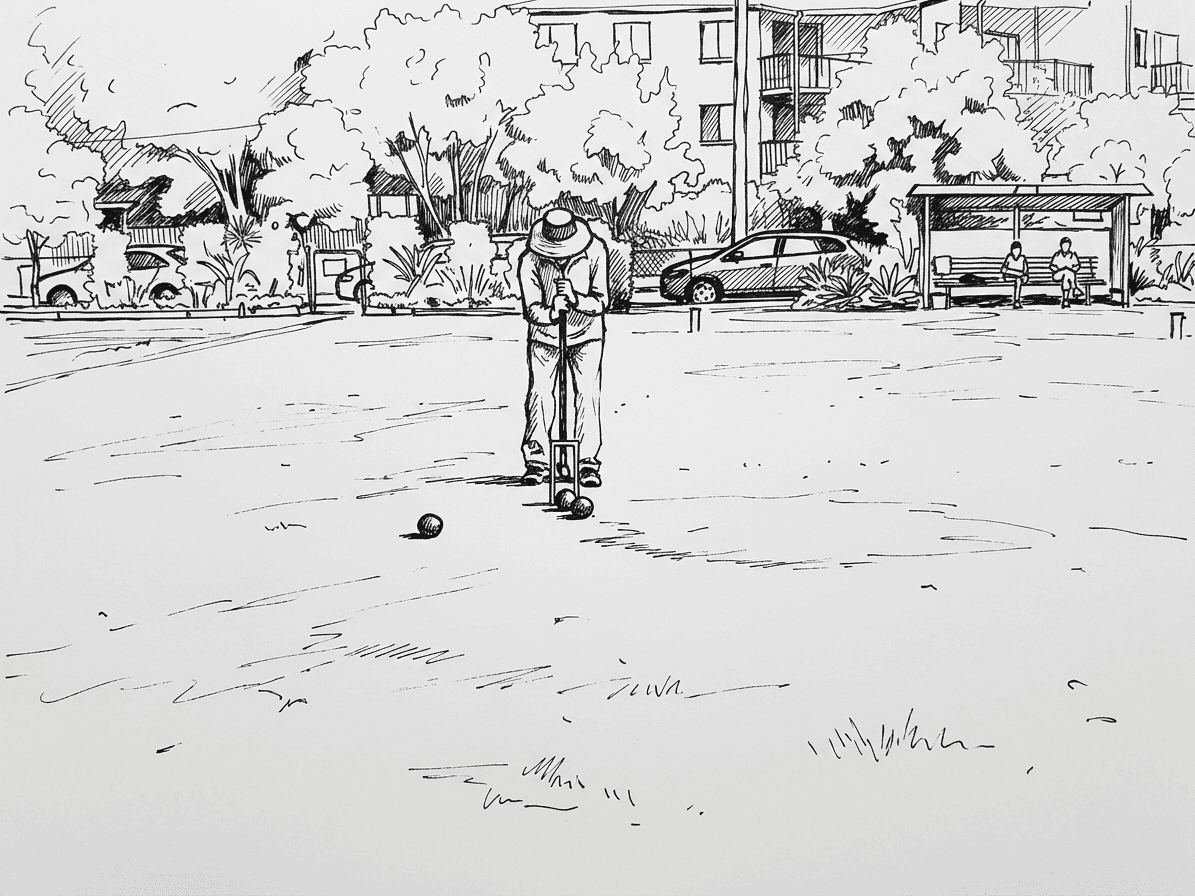
Croquet has a code. It’s unwritten, but everyone’s expected to know it.
As Mary McMahon puts it,
“Court etiquette is incredibly important, no matter what level.”
These courtesies keep the game enjoyable for everyone. Here’s what to know.
The basics. Do these every time.
1. Respect the Line of Sight
When someone is playing a shot, stand still and stay out of their line of sight. “Remember, they’re creating the picture,” Mary says. “Get out of their line of sight.”
2. Maintain Quiet
A player needs focus to execute a shot. “Don’t stand there with your friend having a great conversation and talking away,” she says. “When you’re out on that court, there’s no discussion.”
3. Mark Your Ball Promptly
If your ball goes out, mark its position on the boundary immediately. This is critical for your opponent, who needs to know where your ball is to plan their own shot.
Friction happens. Knowing the procedure keeps it from becoming a problem.
Scenario 1: You Disagree with a Referee’s Call
“Never argue with the referee, ever,” Mary says. “Whether they’ve made the worst call in history, they’re the referee, and you accept it.” If you wish to understand the decision, the correct protocol is to wait until after the game is over. “You can go and say, ‘Look, I’m just interested. Would you mind explaining to me why that was a fault?’ But you don’t argue on the court.”
Scenario 2: A Contentious Shot or Difficult Opponent
Whether it’s a suspected double-tap or an issue with an opponent’s conduct, the solution is the same: do not handle it yourself. Use the referee. “If you are having trouble with your opponent, ask quietly. Ask the referee to deal with the situation,” Mary says. “Don’t try and deal with it.” If you anticipate a difficult shot might result in a fault, it is not rude to proactively ask for a referee to watch it. This simple act ensures fairness and removes any need for conflict.
Good etiquette keeps the game worth playing.
Becoming an accredited referee is the best way to learn the rules properly and help your club run fair games.
Enrol in an introductory refereeing course below.
Frequently Asked Questions
What are the basic etiquette rules in croquet?
Three courtesies matter every time. Stand still and keep out of the player's line of sight while they're shooting. Stay quiet on court so they can concentrate. And if your ball goes out, mark its position on the boundary straight away so your opponent can plan their next shot.
What should I do if I disagree with a referee's decision?
Never argue on the court. As Mary McMahon puts it, even if they've made the worst call in history, they're the referee and you accept it. If you genuinely want to understand the decision, wait until after the game and ask politely for an explanation.
How do you handle a difficult opponent or a contentious shot?
Don't deal with it yourself. Ask the referee quietly to handle the situation. If you think a shot might result in a fault, it's perfectly acceptable to ask for a referee to watch it in advance. That removes the friction and keeps the game fair.
Why does croquet have so much emphasis on etiquette?
Because the game depends on concentration and trust. Court etiquette is incredibly important at every level, and the unwritten code keeps the sport enjoyable for everyone on the lawn. Becoming an accredited referee is one of the best ways to learn the rules properly and help your club run fair games.
Sun, Sport and the Science of Ageing: What the New Vitamin D Research Means for Croquet Players
New University of Galway research links higher vitamin D in mid-life to lower Alzheimer's biomarkers sixteen years later. For croquet players who spend afternoons in the Queensland sun, it is worth knowing about.
More Than a Game - How to Welcome the “Tea and Cake Player”
Most clubs try to attract social players by promoting "fun" and "friendship." Put smiling faces on a poster, mention morning tea, wait for people to appear.
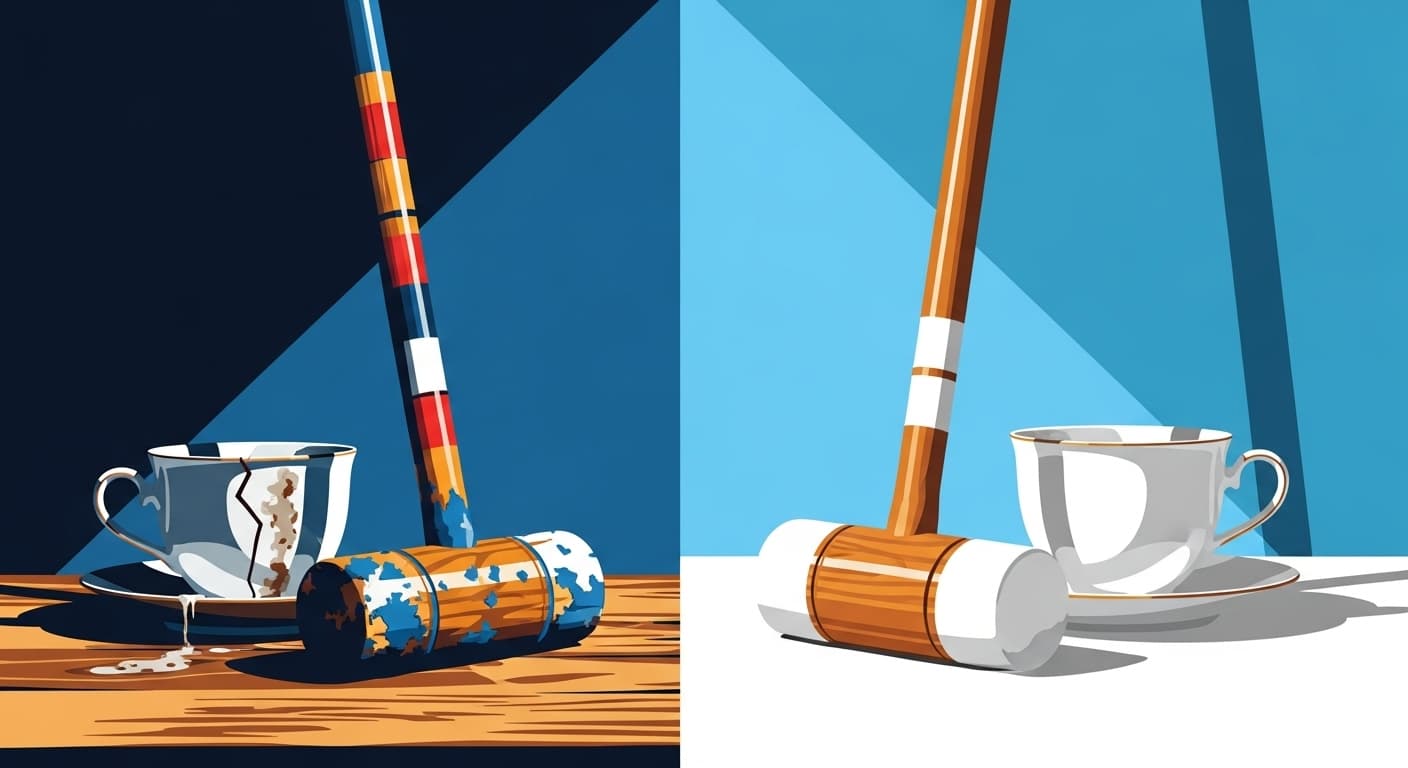
Your Club's Loan Mallets Are Teacups
When a visitor walks through your club gates, what story are you telling them? The humble loan mallet is a powerful tools for making a great first impression on potential new members.