A New Approach to Croquet Marketing
Walk past any community noticeboard in Queensland and you'll see it. A cheerful flyer, well-intentioned, with a familiar message:
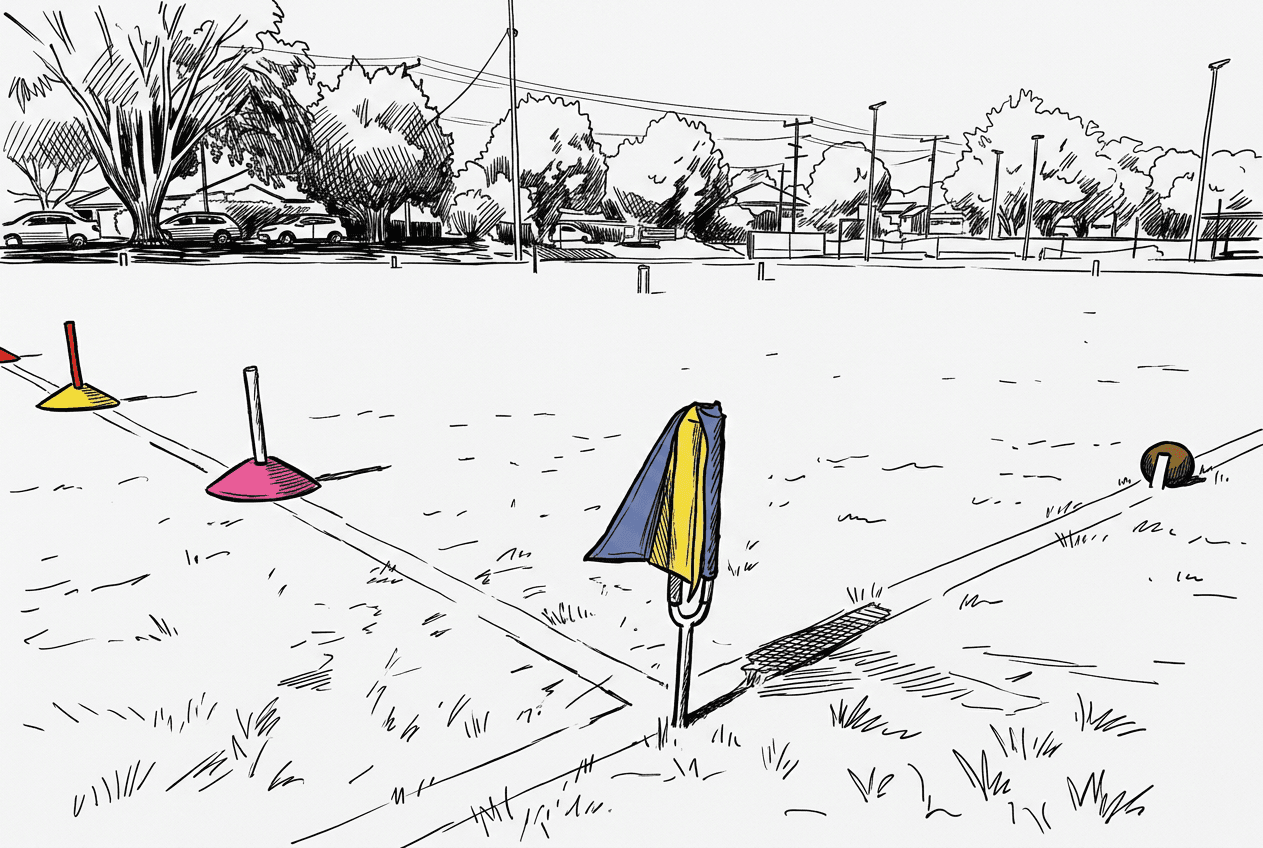
Walk past any community noticeboard in Queensland and you'll see it. A cheerful flyer, well-intentioned, with a familiar message:
"Come and Try Croquet! Fun for All Ages. Everyone Welcome."
The intention is generous. But it doesn't result in anything. When a message tries to speak to everybody, it resonates with nobody. The person who reads it doesn't see themselves.
What People Are Actually Looking For
People don't join croquet clubs because croquet is good. They join because they're looking for something, and croquet happens to provide it.
Someone who misses having something difficult to master doesn't search for "croquet." Someone who needs a place to belong doesn't think of a sports club first. Someone who moved into an apartment and lost a garden doesn't connect outdoor recreation to a mallet sport.
Your job is to show them that what they're already looking for exists here.
People Like Us Do Things Like This
This is how humans make decisions. Through identity.
"Am I the kind of person who plays croquet?"
For most people, the answer is no. Not because they've evaluated croquet and rejected it. Because croquet doesn't fit their mental picture of who they are.
You can't argue someone into a new identity. What you can do is find the people for whom the answer is already "maybe" and show them that people like them are already here.
The Smallest Viable Market
You don't need 200 members. You need 40 members who care.
Here's the maths that changes everything:
Serve 1000 people adequately and you get silence. Satisfied people don't talk.
Serve 10 people extraordinarily well and you get advocates. Delighted people can't help themselves. They tell their friends. And their friends are usually people like them.
This is how movements grow. Through deeper resonance.
The Formula
Advertisements interrupt. They say "look at me" to people who didn't ask.
Invitations connect. They say "if you're this kind of person, you might belong here" to people who are already looking.
One Club, Many Invitations
The competitor and the community seeker both thrive at the same club. They play the same game. They just arrived by different paths, looking for different things, with different identities.
Your club doesn't need one message. It needs several. Each one speaks to a different "people like us." Each one makes a different person think "that's for me."
Generic messaging tries to appeal to everyone and resonates with no one.
Specific invitations appeal to someone and create belonging.
The question is: who are we for, and how do we show them they belong here?
Benefits of Croquet For Government
Evidence supporting Queensland Government funding of croquet clubs as a preventive health intervention for seniors, drawing on 62 peer-reviewed and government sources.
Permission: What Happens When Your Club Agrees on What It Wants to Be
This guide helps Queensland croquet clubs define their identity so committees can confidently make decisions without needing constant member approval.
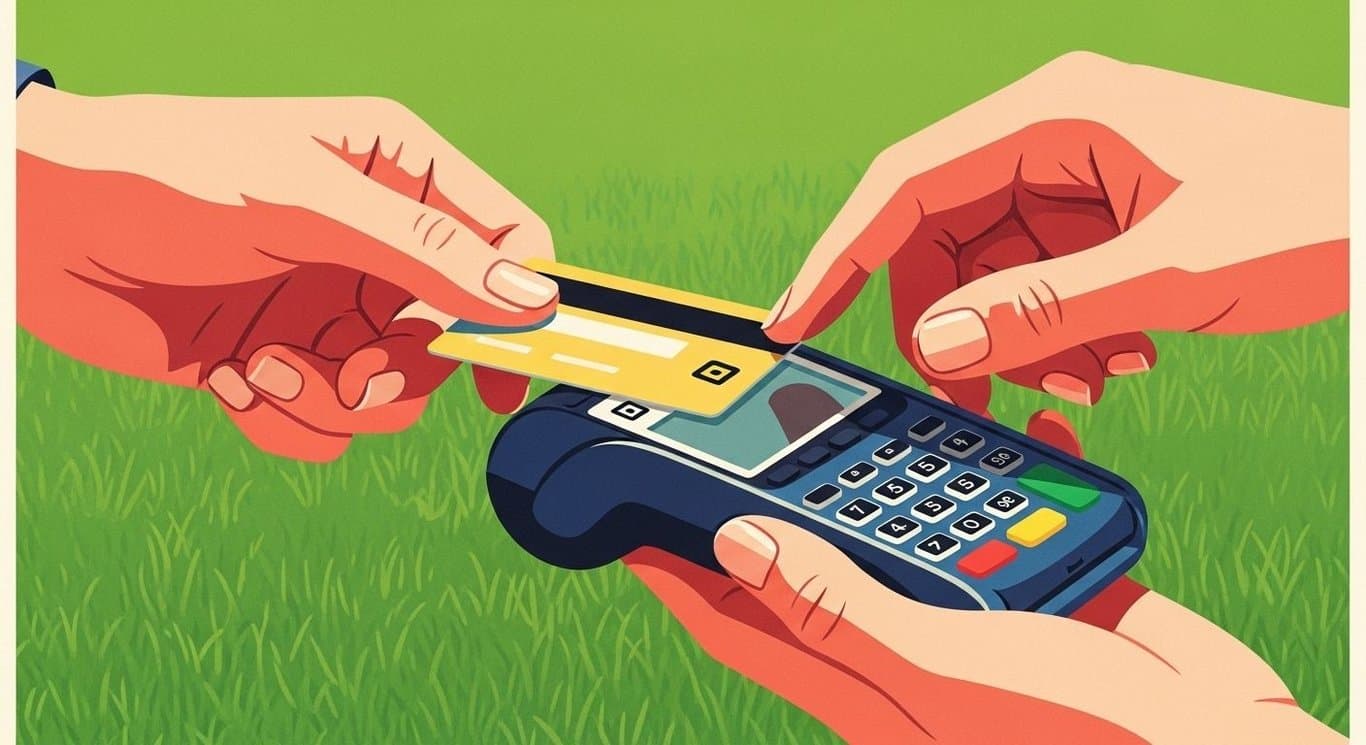
Southport Croquet Club Use Technology to Save Time & Attract Volunteers
If you're on a club committee, you already know the problems. The treasurer spends half their time chasing lawn fees and doing banking. And every year it gets harder to find anyone willing to take on these jobs because, honestly, they're tedious.